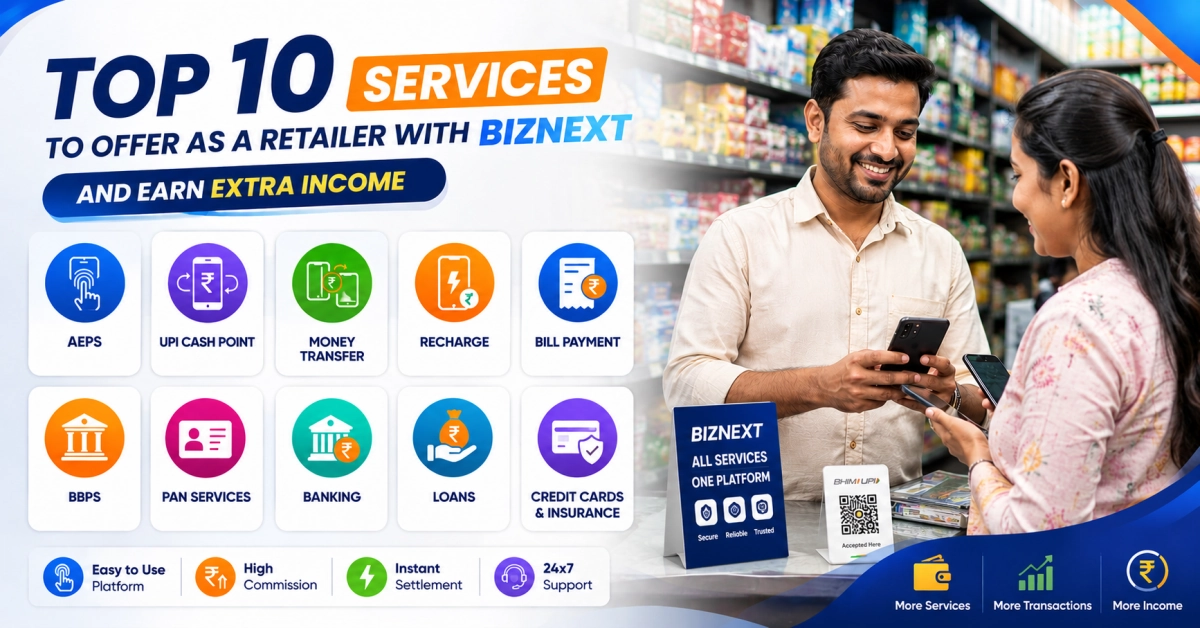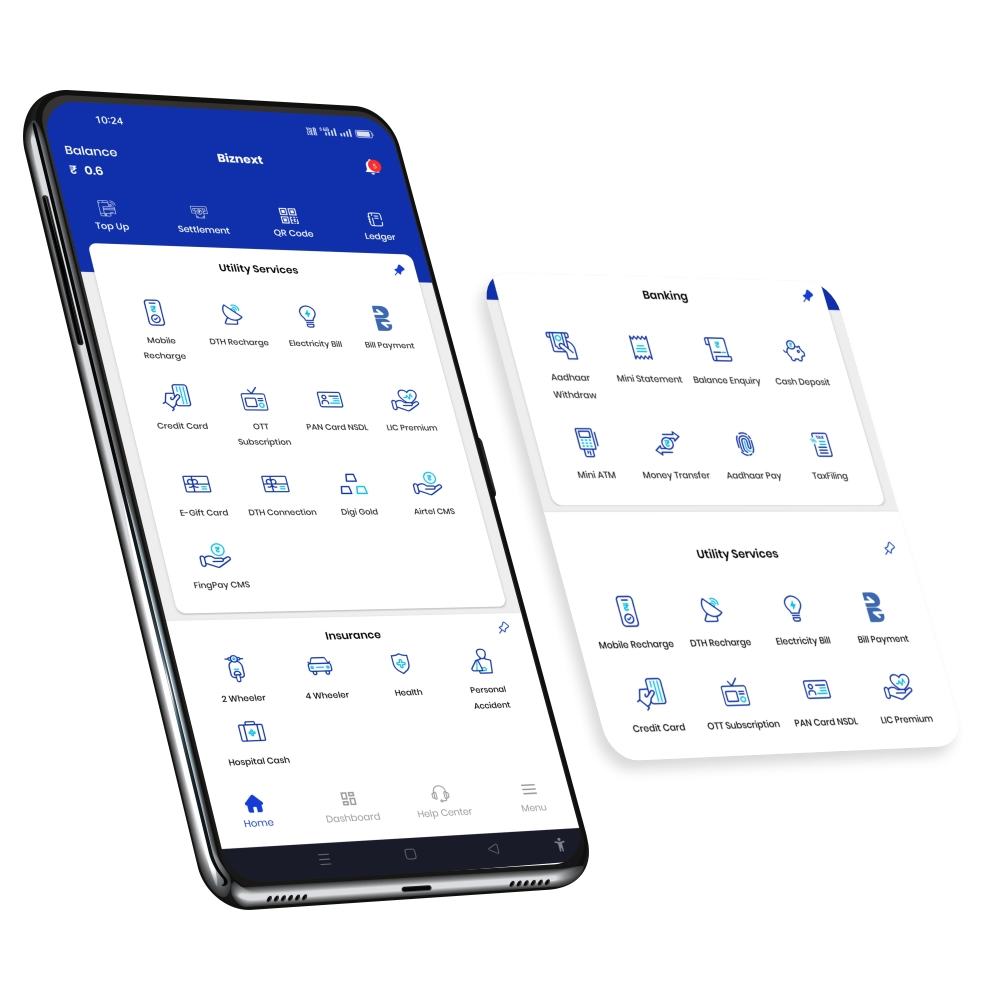

 AePS
 UPI Cash Withdrawal
 Micro ATM
 Money Transfer
 Banking Services
 Loan
 Credit Card Agent
 Payment Solutions
 Mobile Recharge
 Utility Bill Payment
 DTH Recharge
 Wi-Fi Service Partner
 Cash and EMI Collection
 IRCTC Booking
 Bus Ticket Agent
 Courier Service Point
 health insurance
 Hospicash Insurance
 Bike Insurance
 Car Insurance
 PAN Card Agent
 Digital Gold Seller
 Gift Card
 Solar Installation
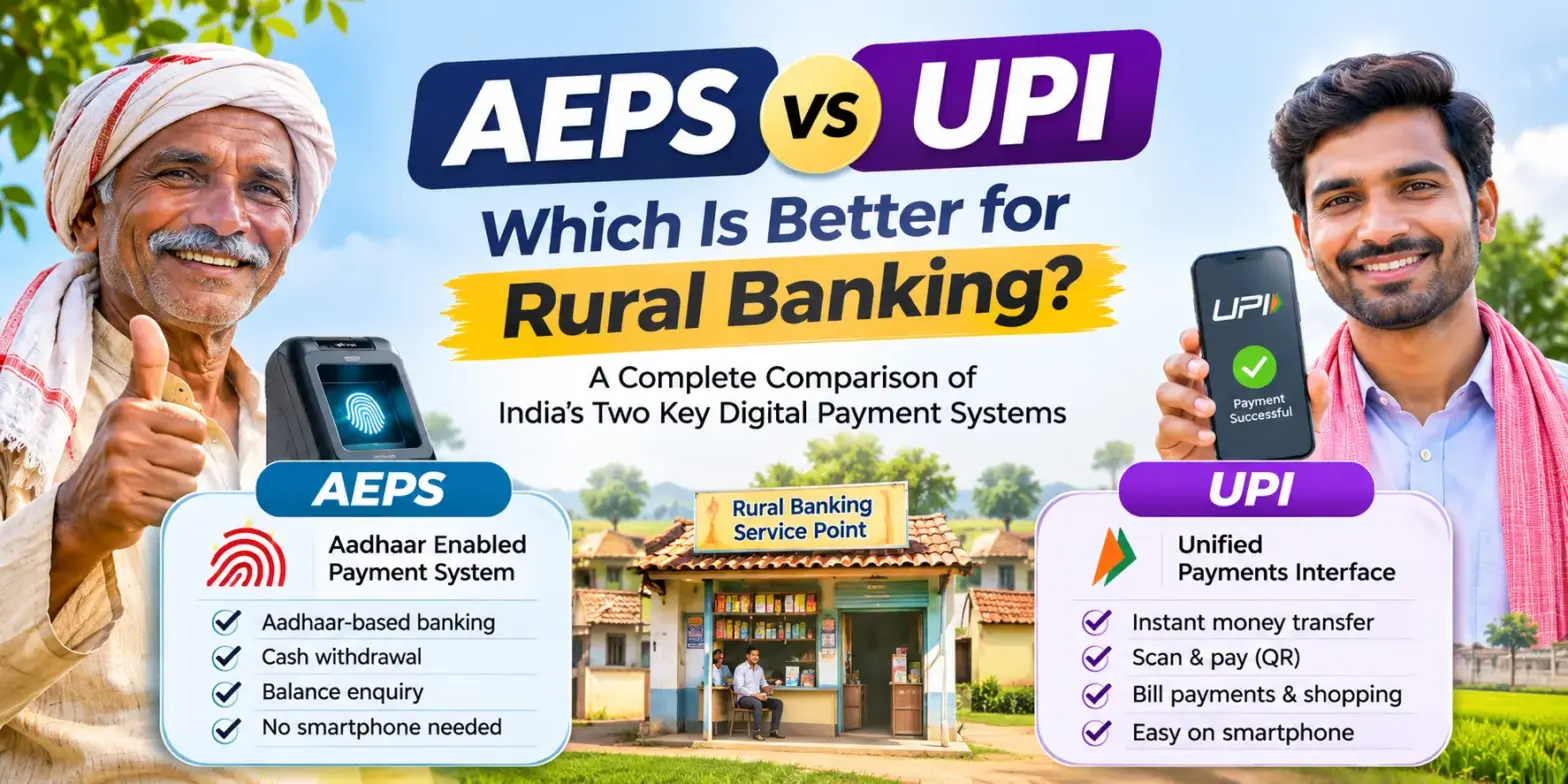
Digital payments have changed the way people access and manage money in India. From making payments at local shops to transferring money across cities, technology has made banking services more accessible than ever before.
However, not everyone has the same access to digital banking facilities. While smartphone users can easily make payments through UPI, many people in rural areas still depend on local banking agents to access basic financial services.
This is where two important payment systems, the Unified Payments Interface (UPI) and Aadhaar Enabled Payment System (AEPS), play different but equally important roles.
Both systems support India’s digital payment ecosystem, but their working methods, authentication processes and intended users are different.
So, AEPS vs UPI: Which is better for rural banking in India? Let’s understand how these systems work, their key differences and why both are important for the future of digital banking.
What Is UPI (Unified Payments Interface)?
UPI, or Unified Payments Interface, is a real-time digital payment system developed by the National Payments Corporation of India (NPCI).
It allows users to transfer money directly between bank accounts using a smartphone and a supported UPI application. Instead of entering lengthy bank account details, users can make payments through a UPI ID, mobile number or QR code.
Today, UPI is widely used for everyday transactions, including:
- Sending and receiving money.
- Paying at retail stores.
- Shopping online.
- Paying electricity and mobile bills.
- Making merchant payments.
- Managing recurring payments through supported features.
One of the biggest advantages of UPI is its simplicity. Customers can complete transactions within seconds without visiting a bank branch or carrying cash.
However, using UPI generally requires a compatible mobile device, an active internet connection and successful registration with a supported application.
What Is AEPS (Aadhaar Enabled Payment System)?
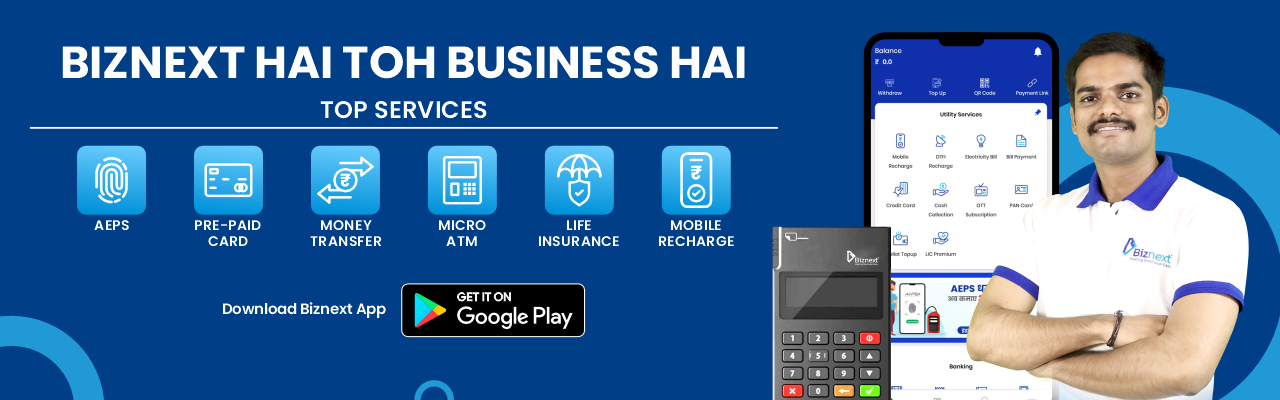
AEPS stands for Aadhaar Enabled Payment System. It is a bank-led payment system developed by NPCI to make basic banking services accessible through Aadhaar-based authentication.
Unlike UPI, AEPS does not require customers to operate a smartphone or remember a UPI PIN for transactions.
Customers can visit an authorised Business Correspondent (BC) or AEPS-enabled banking point to access eligible services using their Aadhaar details and biometric authentication.
Depending on the bank and service provider, AEPS can support:
- Cash withdrawal.
- Balance enquiry.
- Mini statement.
- Cash deposit.
- Aadhaar-to-Aadhaar fund transfer.
The availability of services may vary depending on the participating bank and authorised service provider.
AEPS has an important role in rural banking because it allows people to access banking services through nearby retail outlets instead of travelling long distances to reach a bank branch or ATM.
For senior citizens, pension beneficiaries, daily-wage workers and customers who are less comfortable using mobile applications, this assisted banking model can make everyday financial activities easier.
AEPS vs UPI: Understanding the Key Differences
Although both systems support digital financial transactions, they are designed around different customer requirements.
Here is a comparison of AEPS and UPI:
| Comparison | AEPS | UPI |
|---|---|---|
| Full Form | Aadhaar Enabled Payment System | Unified Payments Interface |
| Developed By | NPCI | NPCI |
| Primary Requirement | Aadhaar-linked bank account and biometric authentication | Bank account, registered mobile number and supported UPI app |
| Authentication | Biometric authentication | UPI PIN |
| Smartphone Required | Not required by the customer | Generally required |
| Internet Requirement | Required at the service point | Required for regular app-based transactions |
| Main Purpose | Assisted banking services | Digital payments and fund transfers |
| Cash Withdrawal | Available at authorised touchpoints | Available through supported UPI cash withdrawal facilities |
| Balance Enquiry | Available | Available through supported banking apps |
| Accessibility | Banking agents and authorised service points | Mobile applications and supported payment channels |
| Best Suited For | Assisted and last-mile banking | Everyday digital payments |
The biggest difference is how customers access these services. UPI gives users direct control over digital transactions through their mobile devices, whereas AEPS provides assisted banking access through authorised service points.
How Does a UPI Transaction Work?
UPI has made digital payments easier by reducing the steps involved in transferring money.
A typical UPI transaction follows these steps:
- Open a supported UPI application.
- Select the payment option.
- Scan a QR code or enter the recipient’s UPI ID.
- Enter the transaction amount.
- Verify the payment details.
- Enter the UPI PIN to authorise the transaction.
- Receive the transaction confirmation.
The payment is processed through the UPI network, connecting the participating banks involved in the transaction.
This makes UPI particularly useful for people who regularly make digital payments, whether they are shopping online, paying at local stores or sending money to family members.
How Does an AEPS Transaction Work?
AEPS follows a different process because customers access banking services through an authorised banking agent.
A typical AEPS cash withdrawal transaction involves the following steps:
- Visit an authorised AEPS service point.
- Select the required banking service.
- Provide the required Aadhaar details and select the bank.
- Enter the transaction amount.
- Give consent and complete biometric authentication using a supported registered device.
- The transaction request is processed through the banking and Aadhaar authentication systems.
- Once the bank confirms a successful withdrawal, the customer receives the requested cash and transaction confirmation.
This process allows customers to access their eligible bank accounts without depending on a debit card or their own smartphone.
Why Is AEPS Important for Rural Banking in India?
India has made significant progress in digital payments, but access to banking services is not equally convenient everywhere.
In some rural and remote areas, customers may still face challenges such as limited ATM availability, long distances to bank branches, unreliable mobile connectivity and a lack of familiarity with banking applications.
AEPS helps address several of these challenges through assisted banking.
Here are some important ways it supports rural communities.
1. Banking Services Closer to Home
Customers in remote locations may need to travel several kilometres to reach a bank branch or ATM.
With authorised AEPS service points available at nearby retail shops, customers can access eligible banking services closer to their homes.
This saves travel time and makes basic banking more convenient.
2. Access Without a Smartphone
Not every customer owns a smartphone or feels comfortable using mobile banking applications.
AEPS provides an alternative by allowing eligible customers to complete supported banking transactions through Aadhaar-based biometric authentication at an authorised service point.
This makes banking more accessible to people who may otherwise face difficulties using app-based services.
3. Convenient Access to Cash
Many rural customers still depend on cash for everyday purchases, agricultural activities and local business transactions.
AEPS allows customers to withdraw money from eligible Aadhaar-linked bank accounts through authorised service points, reducing their dependence on nearby ATMs.
4. Support for Pension and Welfare Beneficiaries
Government benefit payments and pension credits are important sources of income for many rural households.
When funds are credited to eligible Aadhaar-linked bank accounts, beneficiaries may use AEPS to access their money through authorised banking points, subject to the relevant banking and scheme arrangements.
This provides another way to access financial services without depending entirely on traditional banking infrastructure.
5. Opportunities for Local Retailers
AEPS also creates opportunities for local shop owners and small businesses.
Retailers who become authorised banking service providers can offer basic banking facilities to customers in their communities.
Depending on the provider’s business model, service availability and applicable terms, retailers may earn commissions on eligible transactions.
This can help local shops expand beyond traditional retail activities and become useful financial service points.
Why Does UPI Still Matter in Rural India?
Although AEPS offers important benefits for assisted banking, UPI should not be overlooked.
Smartphone adoption and digital awareness are increasing in smaller towns and rural communities. As more people become comfortable using mobile applications, UPI is becoming an important part of everyday financial activities.
Here are some reasons why UPI remains relevant:
1. Quick Digital Payments
Customers can pay local shopkeepers, service providers and businesses without carrying cash.
2. Easy Money Transfers
UPI makes it convenient to send money to family members, friends and other recipients across India.
3. Digital Payment Records
Transaction histories help users review their payments and keep track of everyday spending.
4. Wider Merchant Acceptance
UPI QR codes have made it easier for small retailers and larger businesses to accept digital payments.
5. Growing Digital Awareness
As digital literacy improves, more rural customers can participate in the digital economy through mobile-based payment services.
UPI is therefore not limited to urban customers. It also has an important role in the digital transformation of rural India.
AEPS vs UPI: Which Is Better for Different Banking Needs?
There is no single winner in the AEPS vs UPI comparison. The right option depends on the customer’s requirements and access to technology.
| Customer Requirement | More Suitable Option | Reason |
|---|---|---|
| Sending money instantly | UPI | Convenient mobile-based transfers |
| Paying at local shops | UPI | Easy QR code payments |
| Cash withdrawal without a debit card | AEPS | Aadhaar-based assisted banking |
| Banking without a personal smartphone | AEPS | Transactions through authorised service points |
| Checking bank balance | Both | Different methods of accessing account information |
| Pension withdrawal | AEPS | Assisted cash access for eligible beneficiaries |
| Online shopping | UPI | Widely supported digital payment option |
| Assisted banking in remote areas | AEPS | Access through local banking agents |
For everyday digital payments, UPI is generally more convenient. For customers who need assisted banking services and do not have convenient access to smartphones or ATMs, AEPS can be a more suitable option.
Are AEPS and UPI Safe for Digital Transactions?
Security is an important part of every digital banking service. Both AEPS and UPI use authentication methods designed to protect financial transactions.
However, their security requirements are different.
UPI Security
UPI transactions require users to authorise payments using their UPI PIN. Customers should follow basic precautions:
- Never share their UPI PIN with anyone.
- Avoid clicking on unknown payment links.
- Verify the recipient before sending money.
- Never enter a UPI PIN just to receive money.
- Use trusted and official payment applications.
AEPS Security
AEPS uses Aadhaar-based authentication and supported registered biometric devices to verify customer identity.
Customers should follow these precautions:
- Use authorised AEPS service points.
- Verify the transaction amount before confirming.
- Never provide biometric authentication without understanding the transaction.
- Keep transaction receipts or confirmations.
- Check bank statements regularly for unfamiliar transactions.
Biometric authentication and PIN-based authentication serve different purposes. Neither system should be considered completely risk-free. Safe usage depends on authorised services, secure devices and responsible customer practices.
The Future of Rural Banking: Why India Needs Both AEPS and UPI
The future of Indian banking is not necessarily about choosing one payment system over another. It is about making different banking technologies work for different customer needs.
UPI is helping people move towards faster, convenient and cashless transactions. AEPS is improving access to basic banking services for customers who may not have smartphones or nearby banking facilities.
Together, these systems support a more inclusive financial ecosystem.
For example, a rural household may use UPI to pay for groceries, mobile recharges and other everyday purchases, while an elderly family member may prefer visiting a local AEPS service point to withdraw pension money.
Similarly, a small retailer can accept UPI payments from smartphone users while offering eligible assisted banking services to customers who need cash withdrawals or balance enquiries.
This combination can help make financial services more accessible across different communities.
As digital infrastructure improves and financial awareness increases, both payment systems are likely to remain relevant to India’s evolving banking ecosystem.
Conclusion
The comparison between AEPS and UPI shows that both technologies have an important place in India’s digital payment landscape.
UPI is a convenient solution for everyday digital payments, online transactions and instant money transfers. AEPS, on the other hand, supports last-mile banking by allowing customers to access eligible banking services through Aadhaar-based authentication at authorised service points.
For rural banking, AEPS offers an important advantage because customers do not need to operate their own smartphones to access supported services. At the same time, UPI is helping rural communities participate in India’s growing digital economy.
Rather than viewing these systems as competitors, it is better to understand them as complementary solutions.
The real goal of digital banking is not just to make payments faster, but to make financial services accessible to everyone, regardless of where they live or what technology they use.
Frequently Asked Questions (FAQs)
1. What is the main difference between AEPS and UPI?
The main difference is their method of access and authentication. UPI enables digital payments through mobile applications and a UPI PIN, while AEPS provides Aadhaar-based banking services through authorised service points using biometric authentication.
2. Which is better for rural banking, AEPS or UPI?
AEPS is particularly useful for rural customers who do not have convenient access to smartphones, ATMs or bank branches. UPI is useful for customers who have smartphones and internet access and want to make everyday digital payments. Both contribute to rural financial inclusion.
3. Can AEPS be used without a smartphone?
Yes. Customers do not need their own smartphone to use AEPS. They can visit an authorised AEPS service point with the required Aadhaar-linked banking details and complete the applicable biometric authentication process.
4. Is UPI available in rural areas?
Yes. UPI can be used in rural areas wherever customers have access to supported applications, suitable mobile devices, connectivity and the required banking facilities.
5. Can the same bank account be used for AEPS and UPI?
Yes, an eligible bank account can be accessed through both systems if the relevant requirements are met. For UPI, the account must be linked through a supported application. For AEPS, the account must be appropriately Aadhaar-enabled and supported by the participating bank.
6. Does AEPS require a debit card?
No. AEPS transactions use Aadhaar-based details and biometric authentication instead of requiring a debit card.
7. Can retailers offer AEPS services?
Yes. Eligible retailers can become authorised AEPS service points through participating banks or service providers, subject to their onboarding requirements and applicable rules. They can offer available banking services to customers and may earn commissions under the relevant business arrangements.
8. What banking services are available through AEPS?
Depending on the participating bank and service provider, AEPS can support services such as cash withdrawal, balance enquiry, mini statements, cash deposits and Aadhaar-to-Aadhaar fund transfers.
9. Is biometric authentication required for AEPS?
Biometric authentication is a key part of the standard AEPS transaction process. Supported authentication methods and applicable procedures depend on the service and current system requirements.
10. Will AEPS replace UPI in rural India?
No. AEPS and UPI serve different purposes. UPI supports convenient digital payments, while AEPS improves access to assisted banking services. Both can operate alongside each other to support financial inclusion.